Acute pancreatitis (AP) is a serious pancreatic disorder and colonic inflammation is involved in the progression of AP. However, the role of mast cells in the regulation of colonic inflammation in AP has been less studied; thus, we explored the role of mast cells in the regulation of colonic inflammation.
An AP model was established by intraperitoneal injection of L-arginine or caerulein. Colonic inflammation in AP was tested using H&E staining. The mRNA levels were quantified using qRT-PCR. The protein level of sphingosine-1-phosphate receptor 2 (S1P2) was quantified using western blotting or immunohistochemistry. The gut microbiota was analyzed using 16S rRNA sequencing.
The Western blot analysis revealed that S1P2 expression was decreased by 0.63-fold in L-arginine-AP-induced colonic inflammation. Ketotifen, a second-generation H1-antihistamine and mast cell stabilizer, increased the survival rate (90%) in the L-arginine-AP model and increased the mRNA level of S1P2 by 1.33-fold and protein expression by 1.47-fold, suggesting that ketotifen inhibited mast cell activation through the S1P2 pathway. Similarly, treatment with the S1P2 agonist CYM-5520 in the L-arginine-AP model did not result in death and decreased the proportion of mast cells in the spleen by 1.58-fold. Moreover, gut microbiome analysis revealed that the abundance of proteobacteria decreased in L-arginine-AP mice pretreated with CYM-5520. In vitro experiments revealed a 2.1-fold decrease in S1P2 expression following mast cell stimulation, and the absence of S1P2 promoted mast cell degranulation.
This study provides evidence that S1P2 can ameliorate colonic inflammation in an L-arginine-induced AP mouse model by inhibiting mast cell activation.
© 2026. The Author(s), under exclusive licence to Springer Science+Business Media, LLC, part of Springer Nature.
Product Citations: 104

S1P2 Reduces Mast Cell Activation and Colonic Inflammation of L-Arginine-Induced Acute Pancreatitis.
In Digestive Diseases and Sciences on 1 July 2026 by Zhang, R., Zhu, J., et al.
Preprint on BioRxiv : the Preprint Server for Biology on 21 May 2026 by Bays, J. L., Teo, J. L., et al.
Sphingosine-1-phosphate (S1P) – a key bioactive component of high-density lipoproteins (HDL) – is instrumental in mediating HDL’s cardiovascular benefits, largely by enhancing endothelial barrier integrity 1, 2 . Here, we discovered that S1P induces Notch1 activation, and this Notch activation is required to enhance Rac1 activity and adherens junction assembly, which in turn stimulates endothelial barrier integrity. S1P rapidly activates Notch1 by stimulating the G-coupled protein receptor, S1P Receptor 1 (S1PR1) to drive internalization of the Notch ligand Delta-like protein 4 (Dll4). Notably, this internalization of Dll4 and subsequent activation of Notch does not involve traditional G-protein signaling; instead, S1P-bound S1PR1 forms a complex with Dll4 via the scaffolding protein MPDZ, and the undergoes co-endocytosis. Importantly, the loss or inhibition of Notch, Dll4, S1PR1, or MPDZ results in barrier defects. These findings elucidate a novel S1PR1-Dll4-MPDZ-Notch1 signaling axis that coordinates S1P and Notch signaling to regulate of endothelial cell signaling and barrier function.
In Biomolecules Therapeutics on 1 May 2025 by Lee, J. H. & Im, D. S.
Serum and epidermal levels of sphingosine 1-phosphate (S1P) are higher in patients with psoriasis than healthy subjects. Although roles of type 1 S1P receptor, S1P1, in the development of psoriasis has intensively been investigated, roles of S1P2 have not been elucidated. We aim to investigate whether blockage of S1P2 reduce imiquimod-induced psoriasis-like dermatitis using an S1P2 antagonist, JTE-013, in combination with S1pr2 wild-type (WT) and knock-out (KO) BALB/c mice. Imiquimod induced increase of erythematous papules and plaques with silver scaling, whereas administration of JTE-013 significantly suppressed those increases in S1pr2 WT mice. Deficiency of S1pr2 gene reduced the imiquimod-induced symptoms. Imiquimod increased mRNA expression levels of pro-inflammatory Th1/Th17 cytokines, whereas JTE-013 significantly suppressed those increases in S1pr2 WT mice. Deficiency of S1pr2 gene also suppressed the imiquimod-induced pro-inflammatory cytokine expression. Imiquimod induced enlargement of lymph nodes and spleens, whereas JTE-013 suppressed them in S1pr2 WT mice. Imiquimod induced increase of pro-inflammatory Th1/Th17 cytokine levels and Th17 cell numbers in lymph nodes and spleens, whereas JTE-013 suppressed them in S1pr2 WT mice. In summary, the present results suggest that blockage of S1P2 could suppress the characteristics of psoriasis-form dermatitis and be a therapeutic strategy.
In International Journal of Molecular Sciences on 13 December 2024 by Lee, J. H., Lee, J. E., et al.
The amount of sphingosine 1-phosphate (S1P) found in the synovial tissue of individuals with rheumatoid arthritis is five times greater than that in those with osteoarthritis. Our study aims to determine whether inhibiting S1P2 can mitigate collagen-induced rheumatoid arthritis (CIA) by using an S1P2 antagonist, JTE-013, alongside DBA-1J S1pr2 wild-type (WT) and knock-out (KO) mice. CIA causes increases in arthritis scores, foot swelling, synovial hyperplasia, pannus formation, proteoglycan depletion, cartilage damage, and bone erosion, but these effects are markedly reduced when JTE-013 is administered to S1pr2 WT mice. CIA also elevates mRNA expression levels of pro-inflammatory Th1/Th17 cytokines in the foot and spleen, which are significantly decreased by JTE-013 in S1pr2 WT mice. Additionally, CIA raises Th1/Th17 and Treg cell counts, while JTE-013 reduces these elevations in the spleens of S1pr2 WT mice. Treatment with JTE-013 or the absence of S1pr2 curtails the differentiation of naïve T cells into Th1 and Th17 cells in a dose-dependent manner. In SW982 human synovial cells, JTE-013 lowers LPS-induced increases in pro-inflammatory cytokine levels. Overall, these findings propose that blocking S1P2 in immune and synovial cells may alleviate rheumatoid arthritis symptoms and offer a potential therapeutic approach.
In Frontiers in Immunology on 11 October 2024 by Masuda-Kuroki, K., Alimohammadi, S., et al.
Psoriasis is an inflammatory skin condition where immune cells play a significant role. The importance of the cross-talk between keratinocytes and immune cells in the pathogenesis of psoriasis has recently been reaffirmed. Recent studies have found that several S1PR functional antagonists, other than S1PR2, are effective in improving psoriasis. This study aims to investigate the role of S1PR2 in psoriasis, that has not been investigated before.
Spatial transcriptomics, RT-qPCR, and flow cytometry were used to map the immune cell landscape and its association with metabolic pathways in an imiquimod (IMQ)-induced psoriasis-like inflammation in S1pr2fl/fl K14-Cre mice that could not sense sphingosine-1-phosphate (S1P) in the epidermis through the S1PR2 receptor.
Our analysis suggests that S1PR2 in keratinocytes plays a major role in psoriasis-like inflammation compared to other S1PRs. It acts as a down-regulator, inhibiting the recruitment of Th17 cells into the skin. In IMQ-induced psoriasis skin, both S1pr2-/- and S1pr2fl/fl K14-Cre mice showed higher expressions of proinflammatory cytokines such as TNF-α, IL-17A, and IL-1β together with higher expressions of MyD88/NF-κB pathway compared to the wild-type mice. Remarkably, in IMQ-treated mice, the deletion of S1pr2 in keratinocytes only resulted in a larger population of Th17 cells in skin-draining lymph nodes. Other S1PR modulators did not improve the worsening of psoriasis-like inflammation caused by S1PR2 deficiency in keratinocytes.
This study reaches two main conclusions: signals from keratinocytes play a central role in creating an immune environment that promotes the development of psoriasis, and stimulating S1PR2, instead of suppressing it, represents a potential therapeutic approach for psoriasis.
Copyright © 2024 Masuda-Kuroki, Alimohammadi, Lowry and Di Nardo.
In Int J Mol Sci on 13 December 2024 by Lee, J. H., Lee, J. E., et al.
Fig.9.E
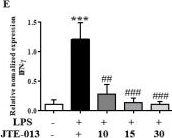
Collected and cropped from International Journal of Molecular Sciences by CiteAb, provided under a CC-BY license
Image 1 of 46
In Int J Mol Sci on 13 December 2024 by Lee, J. H., Lee, J. E., et al.
Fig.9.H
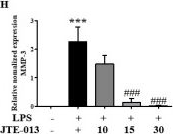
Collected and cropped from International Journal of Molecular Sciences by CiteAb, provided under a CC-BY license
Image 1 of 46
In Int J Mol Sci on 13 December 2024 by Lee, J. H., Lee, J. E., et al.
Fig.9.B
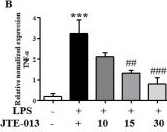
Collected and cropped from International Journal of Molecular Sciences by CiteAb, provided under a CC-BY license
Image 1 of 46
In Int J Mol Sci on 13 December 2024 by Lee, J. H., Lee, J. E., et al.
Fig.9.F
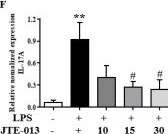
Collected and cropped from International Journal of Molecular Sciences by CiteAb, provided under a CC-BY license
Image 1 of 46
In Int J Mol Sci on 13 December 2024 by Lee, J. H., Lee, J. E., et al.
Fig.9.G
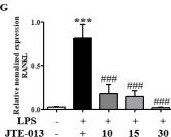
Collected and cropped from International Journal of Molecular Sciences by CiteAb, provided under a CC-BY license
Image 1 of 46
In Adv Radiat Oncol on 1 September 2024 by Miura, T., Kado, J., et al.
Fig.6.C
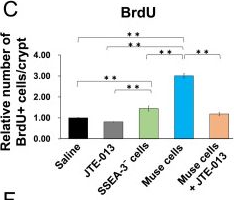
Collected and cropped from Advances in Radiation Oncology by CiteAb, provided under a CC-BY license
Image 1 of 46
In Adv Radiat Oncol on 1 September 2024 by Miura, T., Kado, J., et al.
Fig.6.A
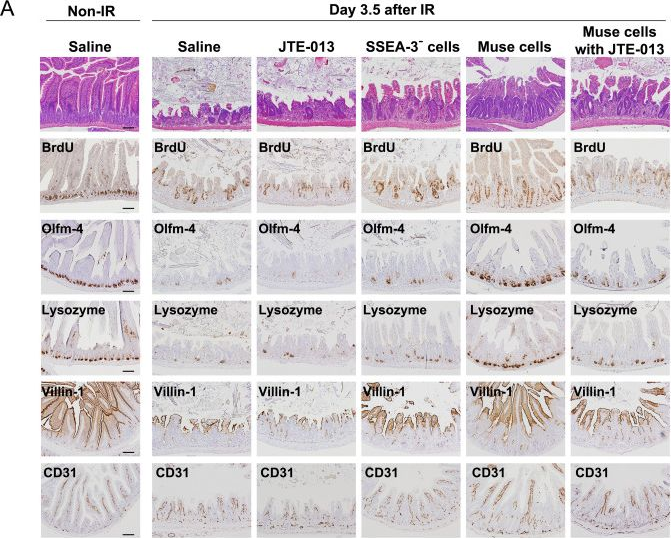
-
IHC
-
Collected and cropped from Advances in Radiation Oncology by CiteAb, provided under a CC-BY license
Image 1 of 46
In Adv Radiat Oncol on 1 September 2024 by Miura, T., Kado, J., et al.
Fig.6.D
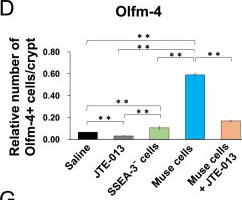
Collected and cropped from Advances in Radiation Oncology by CiteAb, provided under a CC-BY license
Image 1 of 46
In Adv Radiat Oncol on 1 September 2024 by Miura, T., Kado, J., et al.
Fig.5.F
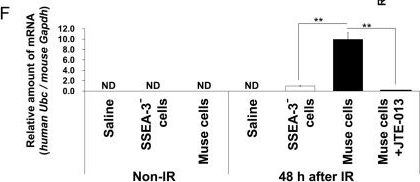
Collected and cropped from Advances in Radiation Oncology by CiteAb, provided under a CC-BY license
Image 1 of 46
In Adv Radiat Oncol on 1 September 2024 by Miura, T., Kado, J., et al.
Fig.6.E
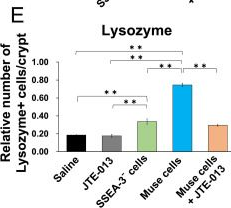
Collected and cropped from Advances in Radiation Oncology by CiteAb, provided under a CC-BY license
Image 1 of 46
In Adv Radiat Oncol on 1 September 2024 by Miura, T., Kado, J., et al.
Fig.6.F
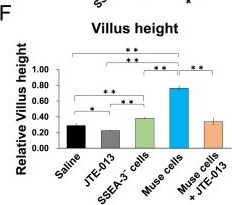
Collected and cropped from Advances in Radiation Oncology by CiteAb, provided under a CC-BY license
Image 1 of 46
In Pharmaceutics on 3 April 2024 by Al-Jarallah, A. & Babiker, F.
Fig.4.E
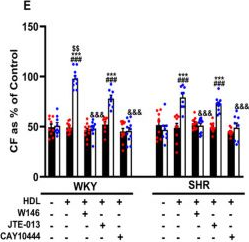
Collected and cropped from Pharmaceutics by CiteAb, provided under a CC-BY license
Image 1 of 46
In Pharmaceutics on 3 April 2024 by Al-Jarallah, A. & Babiker, F.
Fig.4.F
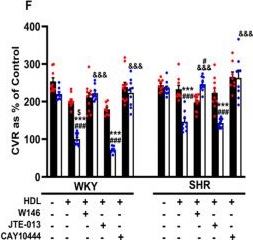
Collected and cropped from Pharmaceutics by CiteAb, provided under a CC-BY license
Image 1 of 46
In Pharmaceutics on 3 April 2024 by Al-Jarallah, A. & Babiker, F.
Fig.4.B
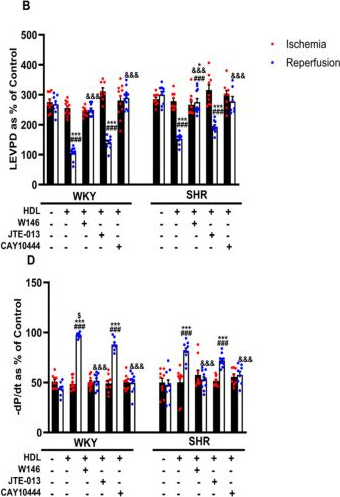
Collected and cropped from Pharmaceutics by CiteAb, provided under a CC-BY license
Image 1 of 46
In Pharmaceutics on 3 April 2024 by Al-Jarallah, A. & Babiker, F.
Fig.4.A
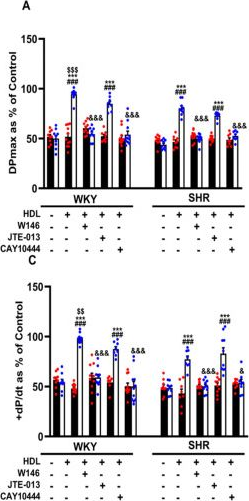
Collected and cropped from Pharmaceutics by CiteAb, provided under a CC-BY license
Image 1 of 46
In Cell Death Dis on 1 March 2023 by Yang, S., Chang, N., et al.
Fig.7.G
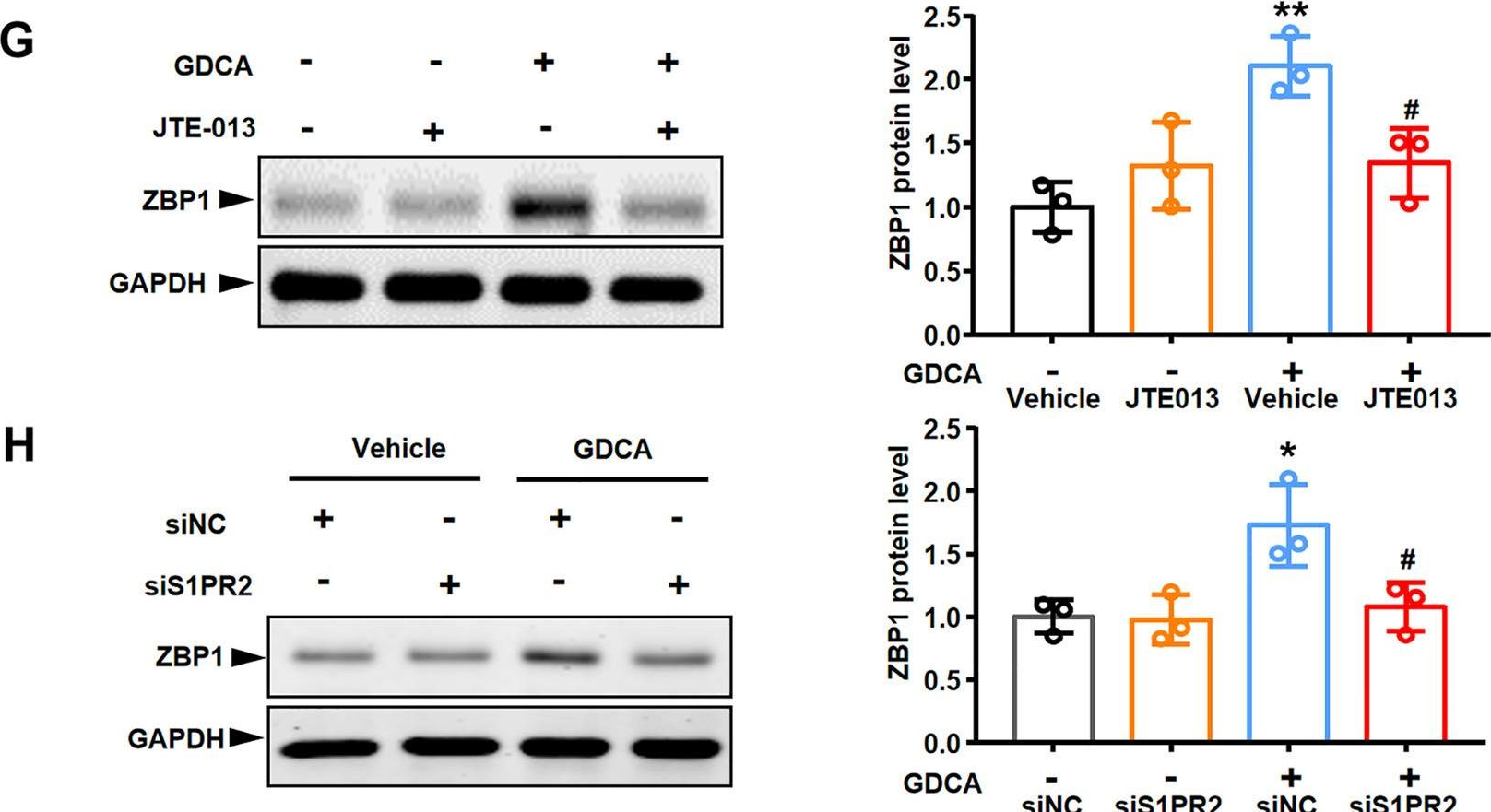
-
WB
-
Collected and cropped from Cell Death & Disease by CiteAb, provided under a CC-BY license
Image 1 of 46
In J Clin Invest on 1 February 2023 by Hirao, H., Kojima, H., et al.
Fig.8.B
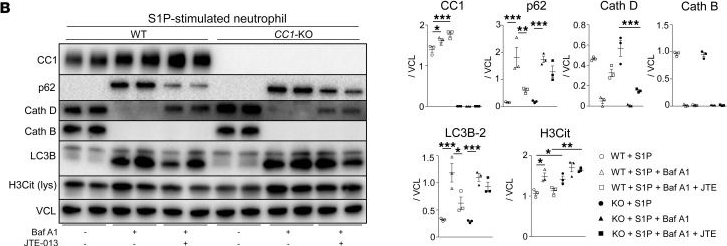
-
WB
-
Collected and cropped from The Journal of Clinical Investigation by CiteAb, provided under a CC-BY license
Image 1 of 46
In J Clin Invest on 1 February 2023 by Hirao, H., Kojima, H., et al.
Fig.4.E
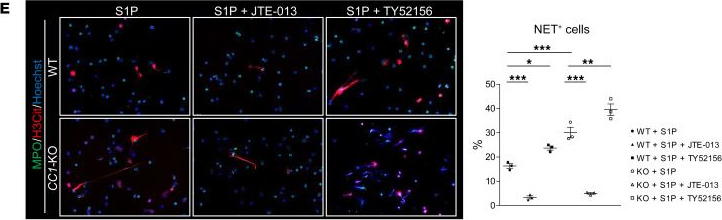
Collected and cropped from The Journal of Clinical Investigation by CiteAb, provided under a CC-BY license
Image 1 of 46
In J Clin Invest on 1 February 2023 by Hirao, H., Kojima, H., et al.
Fig.6.C
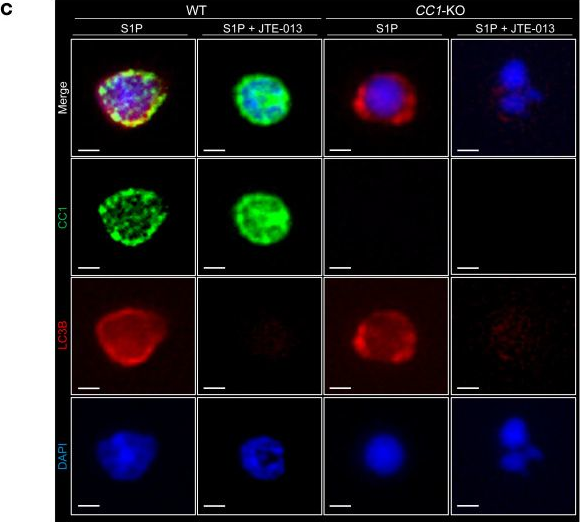
-
ICC-IF
-
Collected and cropped from The Journal of Clinical Investigation by CiteAb, provided under a CC-BY license
Image 1 of 46
In Front Cell Infect Microbiol on 8 November 2022 by Liu, J. X., Liu, M., et al.
Fig.5.C

-
WB
-
Collected and cropped from Frontiers in Cellular and Infection Microbiology by CiteAb, provided under a CC-BY license
Image 1 of 46
In Front Cell Infect Microbiol on 8 November 2022 by Liu, J. X., Liu, M., et al.
Fig.4.C
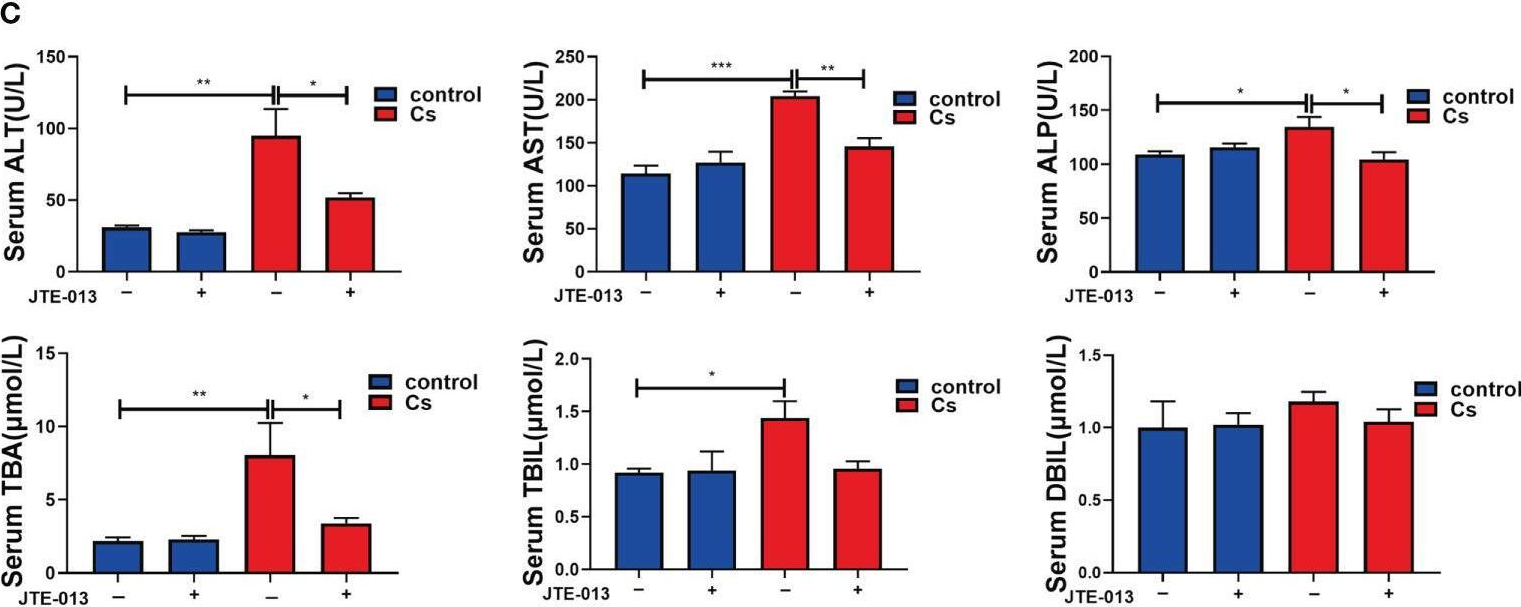
Collected and cropped from Frontiers in Cellular and Infection Microbiology by CiteAb, provided under a CC-BY license
Image 1 of 46
In Front Cell Infect Microbiol on 8 November 2022 by Liu, J. X., Liu, M., et al.
Fig.4.D
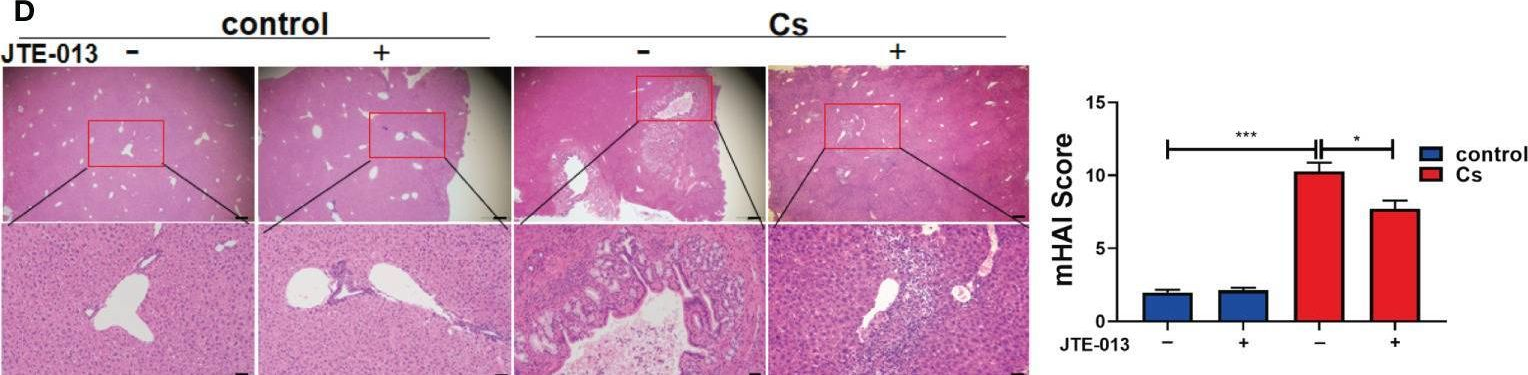
-
IHC
-
Collected and cropped from Frontiers in Cellular and Infection Microbiology by CiteAb, provided under a CC-BY license
Image 1 of 46
In Front Cell Infect Microbiol on 8 November 2022 by Liu, J. X., Liu, M., et al.
Fig.7.C
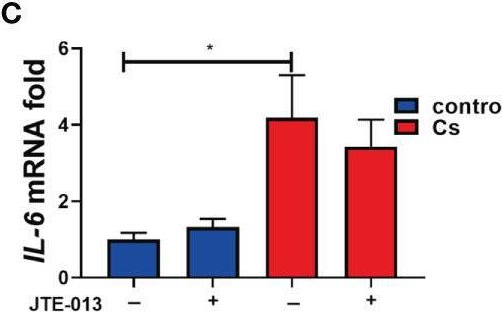
Collected and cropped from Frontiers in Cellular and Infection Microbiology by CiteAb, provided under a CC-BY license
Image 1 of 46
In Front Cell Infect Microbiol on 8 November 2022 by Liu, J. X., Liu, M., et al.
Fig.7.A
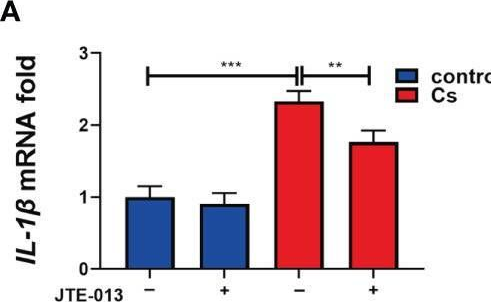
Collected and cropped from Frontiers in Cellular and Infection Microbiology by CiteAb, provided under a CC-BY license
Image 1 of 46
In Front Cell Infect Microbiol on 8 November 2022 by Liu, J. X., Liu, M., et al.
Fig.7.D
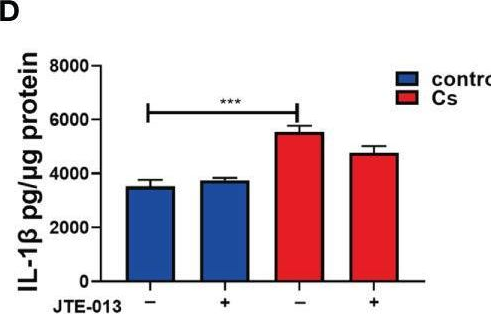
Collected and cropped from Frontiers in Cellular and Infection Microbiology by CiteAb, provided under a CC-BY license
Image 1 of 46