Neuronal TDP-43 aggregates are a hallmark ALS pathology. The integrated stress response (ISR) occurs downstream of TDP-43 pathology and may promote neurodegeneration. Here we demonstrate that a CNS penetrant small molecule eIF2B activator inhibits the ISR in cellular models of ALS and the brain of an inducible mouse model of TDP-43 pathology, where it transiently slowed progression of locomotor deficits and neurodegeneration. ISR activation was observed in ALS patient spinal cord and CSF. The investigational drug DNL343 was advanced into Phase 1 and Phase 1b randomized, double-blind, placebo-controlled trials in healthy and ALS participants, respectively (NCT04268784/NCT05006352); the primary objective in both studies was to investigate the safety and tolerability DNL343. DNL343 demonstrated a half-life supporting once-daily dosing and showed extensive CSF distribution. DNL343 was generally well tolerated and reduced ISR biomarkers in peripheral blood mononuclear cells and CSF of ALS participants. Therefore, DNL343 is a useful investigational drug to explore the effects of ISR inhibition in ALS models and individuals with neurological diseases.
© 2025. The Author(s).
Product Citations: 55
In Nature Communications on 18 August 2025 by Flores, B. N., Yu, S. B., et al.
-
Pathology
Staufen2 dysregulation in neurodegenerative disease.
In The Journal of Biological Chemistry on 1 March 2025 by Paul, S., Dansithong, W., et al.
Staufen2 (STAU2) is an RNA-binding protein that controls mRNA trafficking and expression. Previously, we showed that its paralog, Staufen1 (STAU1), was overabundant in cellular and mouse models of neurodegenerative diseases and amyotrophic lateral sclerosis (ALS) patient spinal cord. Here, we investigated features of STAU2 that might parallel STAU1. STAU2 protein, but not mRNA, was overabundant in spinocerebellar ataxia type 2 (SCA2), ALS/frontotemporal dementia patient fibroblasts, ALS patient spinal cord tissues, and in central nervous system tissues from SCA2 and ALS animal models. Exogenous expression of STAU2 in human embryonic kidney 293 cells activated mechanistic target of rapamycin (mTOR) and stress granule formation. Targeting STAU2 by RNAi normalized mTOR in SCA2 and C9ORF72 cellular models. The microRNA miR-217, previously identified as downregulated in SCA2 mice, targets the STAU2 3'-UTR. We now demonstrate that exogenous expression of miR-217 significantly reduced STAU2 and mTOR levels in cellular models of neurodegenerative disease. These results suggest a functional link between STAU2 and mTOR signaling and identify a major role for miR-217 that could be exploited in therapeutic development.
Copyright © 2025 The Authors. Published by Elsevier Inc. All rights reserved.
-
WB
-
Biochemistry and Molecular biology
-
Neuroscience
In PLoS ONE on 1 January 2025 by Tian, Y., Heinsinger, N., et al.
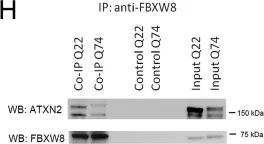
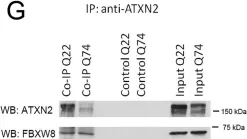
Ataxin-2 is a protein containing a polyQ extension and intermediate length of polyQ extensions increases the risk of Amyotrophic Lateral Sclerosis (ALS). Down-regulation of Ataxin-2 has been shown to mitigate TDP-43 proteinopathy in ALS models. To identify alternative therapeutic targets that can mitigate TDP-43 toxicity, we examined the interaction between Ataxin-2 and TDP-43. Co-immunoprecipitation demonstrated that Ataxin-2 and TDP-43 interact, that their interaction is mediated through the RNA recognition motif (RRM) of TDP-43, and knocking down Ataxin-2 or mutating the RRM domains rescued TDP-43 toxicity in an iPSC-derived neuronal model with TDP-43 overexpression. To decipher the Ataxin-2 and TDP-43 interactome, we used co-immunoprecipitation followed by mass spectrometry to identify proteins that interacted with Ataxin-2 and TDP-43 under conditions of endogenous or overexpressed TDP-43 in iPSC-derived neurons. Multiple interactome proteins were differentially regulated by TDP-43 overexpression and toxicity, including those involved in RNA regulation, cell survival, cytoskeleton reorganization, protein modification, and diseases. Interestingly, the RNA-binding protein (RBP), TAF15 which has been implicated in ALS was identified as a strong binder of Ataxin-2 in the condition of TDP-43 overexpression. Together, this study provides a comprehensive annotation of the Ataxin-2 and TDP-43 interactome and identifies potential therapeutic pathways and targets that could be modulated to alleviate Ataxin-2 and TDP-43 interaction-induced toxicity in ALS.
Copyright: © 2024 Tian et al. This is an open access article distributed under the terms of the Creative Commons Attribution License, which permits unrestricted use, distribution, and reproduction in any medium, provided the original author and source are credited.
-
ICC
-
Homo sapiens (Human)
-
Neuroscience
-
Stem Cells and Developmental Biology
Preprint on BioRxiv : the Preprint Server for Biology on 6 November 2024 by Almaguer-Mederos, L., Kandi, A. R., et al.
Toxic polyglutamine (polyQ) expansions in ATXN2 trigger neurodegenerative processes, causing Spinocerebellar Ataxia type 2 (SCA2), and enhancing TDP-43-dependent pathology in Amyotrophic Lateral Sclerosis (ALS) / Fronto-Temporal Dementia (FTD). Primary disease events can be compensated transiently, delaying disease manifestation. To define potential therapy targets, we documented how cells modify their phospho-signals and how the ATXN2 interactome changes, using preferentially affected nervous tissues from end-stage Atxn2 -CAG100-KnockIn mice. The spinal cord phosphorylome revealed massive hyperphosphorylations flanking the polyQ expansion in ATXN2 and for SQSTM1, and moderate hyperphosphorylations also for ALS proteins OPTN, UBQLN2, TNIP1 and TBK1-targeted TAX1BP1, versus strong hypophosphorylations of WNK1, SPARCL1 and PSMD9. Significant enrichments of SH3-containing proteins, autophagy / endocytosis factors, and actin modulators could be explained by N-terminal, polyQ-adjacent, proline-rich motifs in ATXN2. Coimmunoprecipitation profiling in cerebellum documented known associations with RNA-binding proteins like PABPC1 and TDP-43 with its modifier PPIA to decrease upon expansion, contrasting with increased binding of SH3-proteins, like MYO6, RPL21 and DLG4. Validation of protein and mRNA levels in mouse spinal cord, and embryonic fibroblasts or patient fibroblasts after bafilomycin or arsenite treatment, observed polyQ-dependent OPTN deficiency and SQSTM1 induction impairment. Overall, this combined phosphoproteome / interactome study efficiently revealed key pathways and molecular events.
-
Cell Biology
-
Neuroscience
In Acta Neuropathologica Communications on 4 September 2024 by Zelina, P., de Ruiter, A. A., et al.
Amyotrophic lateral sclerosis (ALS) is an adult-onset neurodegenerative disease leading to motor neuron loss. Currently mutations in > 40 genes have been linked to ALS, but the contribution of many genes and genetic mutations to the ALS pathogenic process remains poorly understood. Therefore, we first performed comparative interactome analyses of five recently discovered ALS-associated proteins (C21ORF2, KIF5A, NEK1, TBK1, and TUBA4A) which highlighted many novel binding partners, and both unique and shared interactors. The analysis further identified C21ORF2 as a strongly connected protein. The role of C21ORF2 in neurons and in the nervous system, and of ALS-associated C21ORF2 variants is largely unknown. Therefore, we combined human iPSC-derived motor neurons with other models and different molecular cell biological approaches to characterize the potential pathogenic effects of C21ORF2 mutations in ALS. First, our data show C21ORF2 expression in ALS-relevant mouse and human neurons, such as spinal and cortical motor neurons. Further, the prominent ALS-associated variant C21ORF2-V58L caused increased apoptosis in mouse neurons and movement defects in zebrafish embryos. iPSC-derived motor neurons from C21ORF2-V58L-ALS patients, but not isogenic controls, show increased apoptosis, and changes in DNA damage response, mitochondria and neuronal excitability. In addition, C21ORF2-V58L induced post-transcriptional downregulation of NEK1, an ALS-associated protein implicated in apoptosis and DDR. In all, our study defines the pathogenic molecular and cellular effects of ALS-associated C21ORF2 mutations and implicates impaired post-transcriptional regulation of NEK1 downstream of mutant C21ORF72 in ALS.
© 2024. The Author(s).
-
ICC
-
Biochemistry and Molecular biology
-
Cell Biology
-
Genetics
-
Neuroscience
In PLoS One on 21 December 2023 by Chitre, M. & Emery, P.
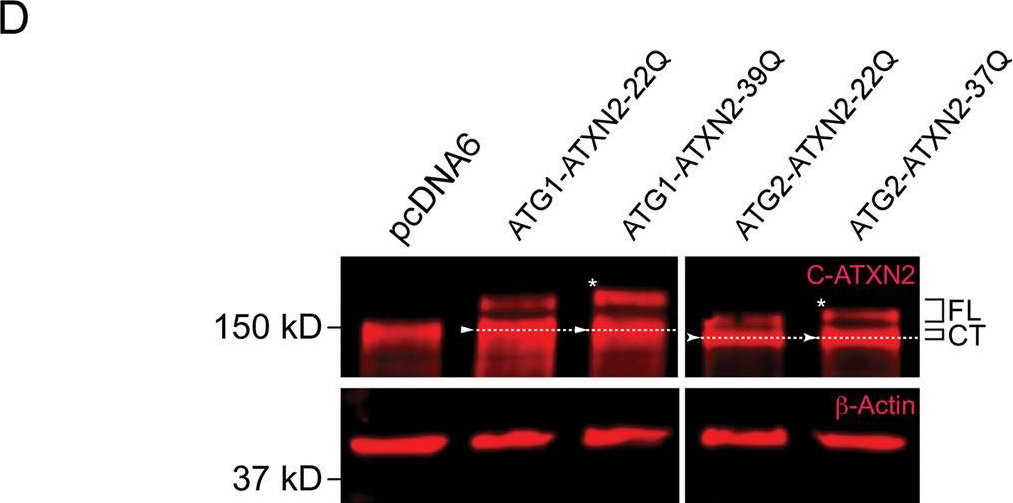
Fig.5.D
-
WB
-
Homo sapiens (Human)
Collected and cropped from PLoS ONE by CiteAb, provided under a CC-BY license
Image 1 of 10
In PLoS One on 21 December 2023 by Chitre, M. & Emery, P.
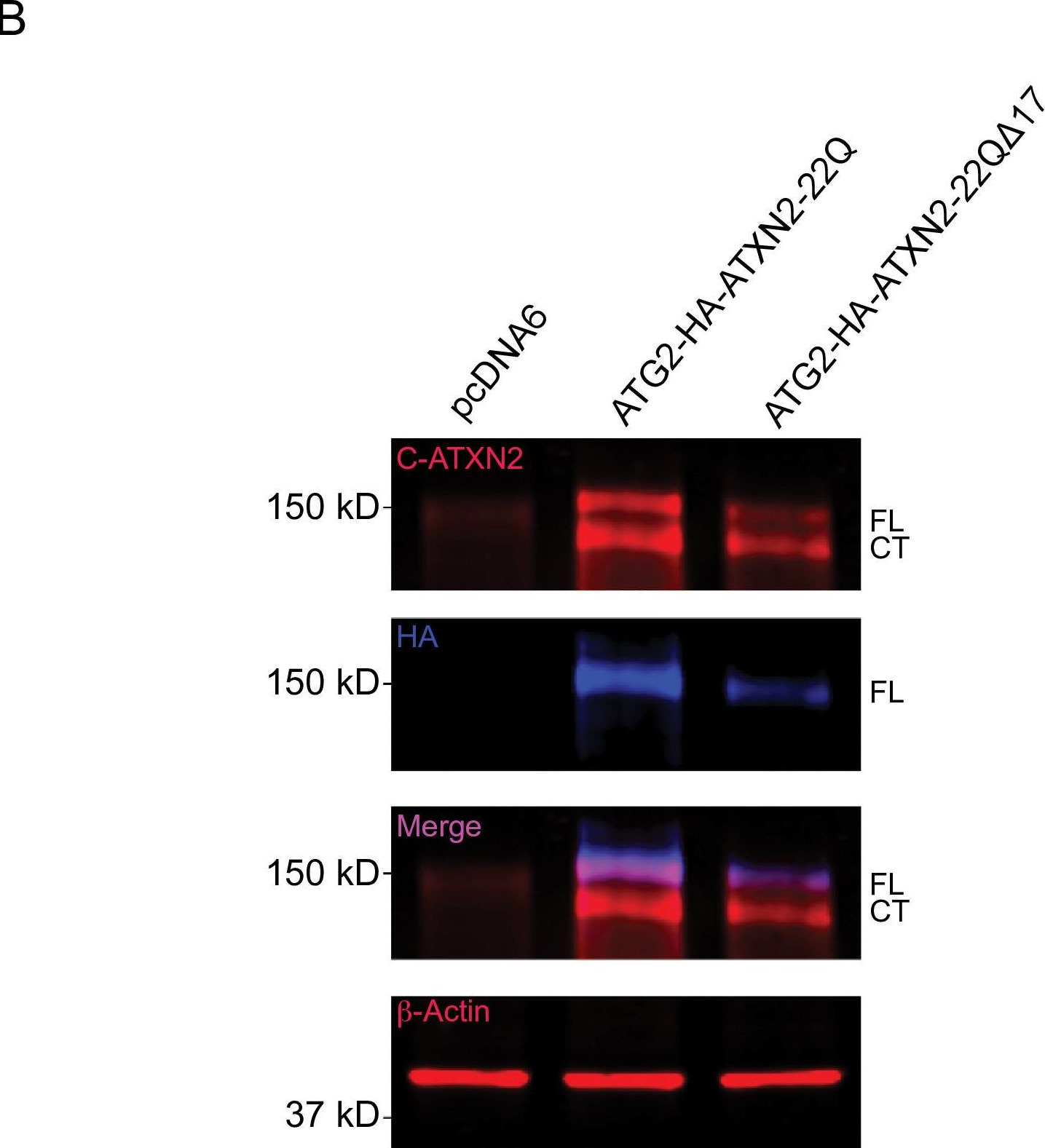
Fig.6.B
-
WB
-
Homo sapiens (Human)
Collected and cropped from PLoS ONE by CiteAb, provided under a CC-BY license
Image 1 of 10
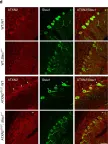
In Nat Commun on 7 September 2018 by Paul, S., Dansithong, W., et al.
Fig.1.A
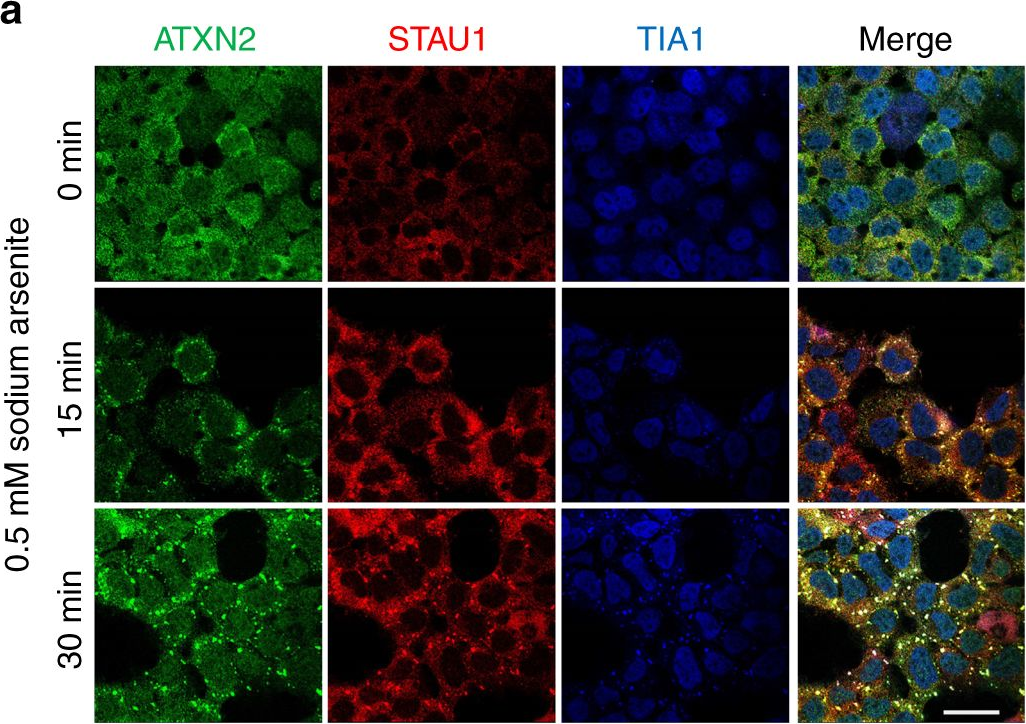
-
IF
-
Mus musculus (House mouse)
Collected and cropped from Nature Communications by CiteAb, provided under a CC-BY license
Image 1 of 10
In Nat Commun on 7 September 2018 by Paul, S., Dansithong, W., et al.
Fig.3.C
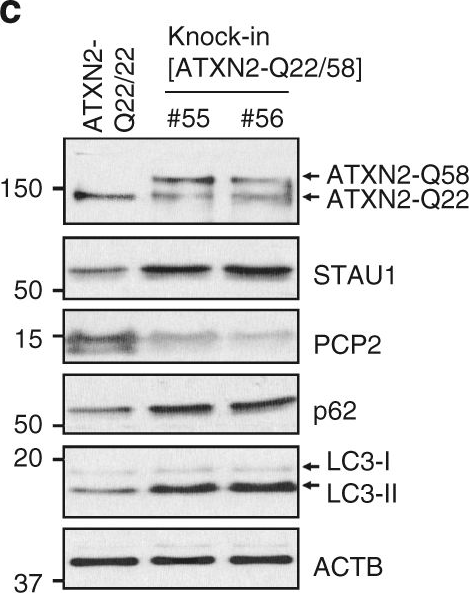
-
WB
-
Mus musculus (House mouse)
Collected and cropped from Nature Communications by CiteAb, provided under a CC-BY license
Image 1 of 10
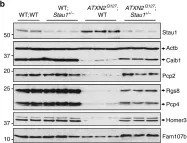
In Nat Commun on 7 September 2018 by Paul, S., Dansithong, W., et al.
Fig.7.D
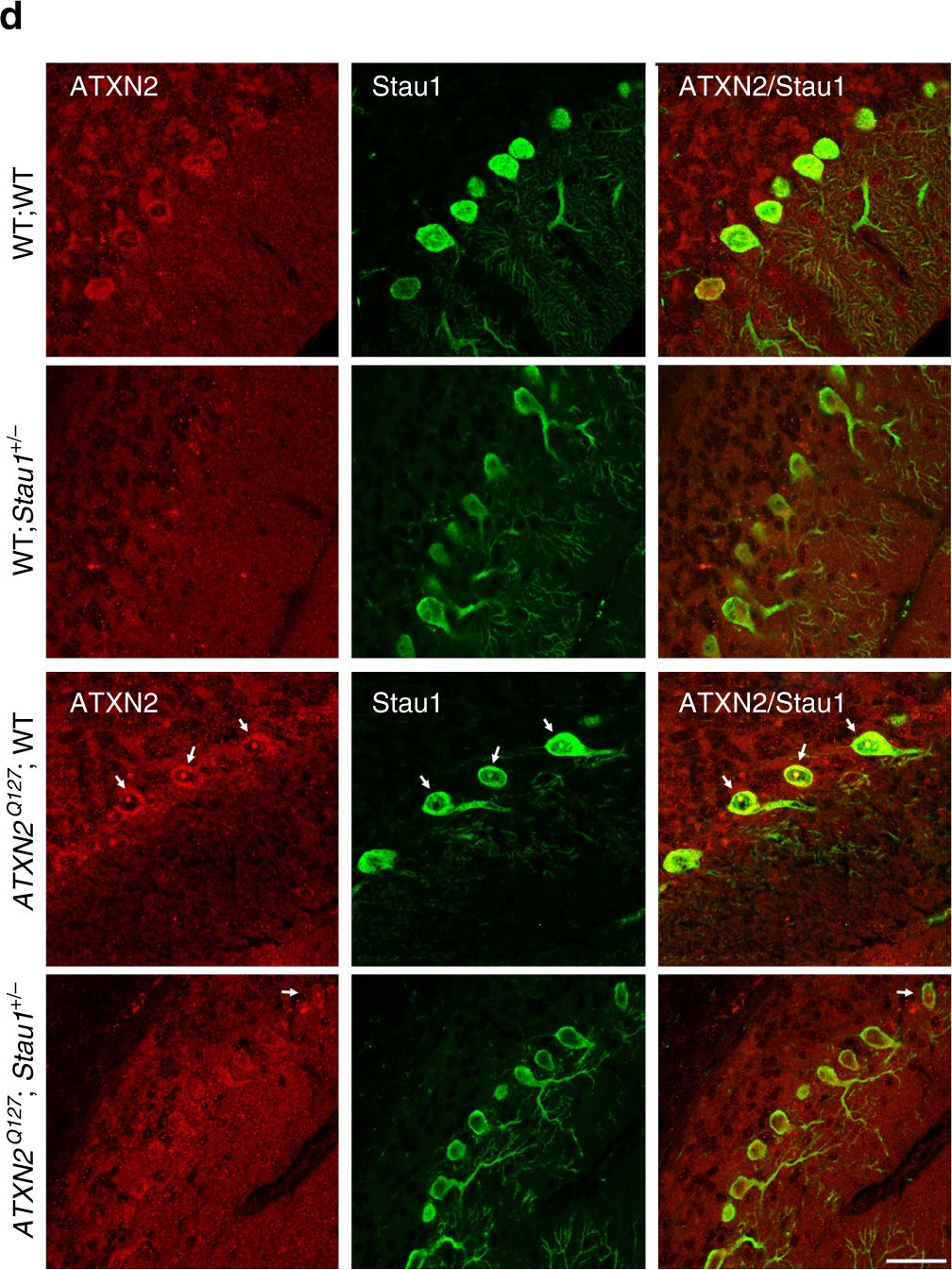
-
IF
-
Mus musculus (House mouse)
Collected and cropped from Nature Communications by CiteAb, provided under a CC-BY license
Image 1 of 10
In Nat Commun on 7 September 2018 by Paul, S., Dansithong, W., et al.
Fig.7.B
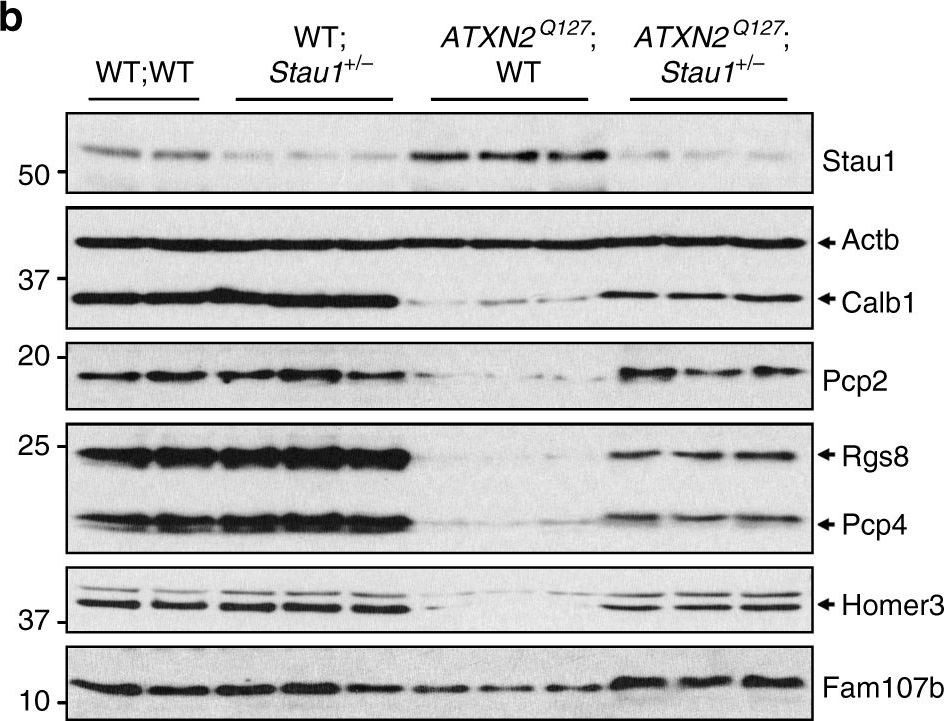
-
WB
-
Mus musculus (House mouse)
Collected and cropped from Nature Communications by CiteAb, provided under a CC-BY license
Image 1 of 10
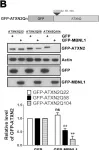
In Sci Rep on 28 July 2015 by Sun, X., Li, P. P., et al.
Fig.7.B
-
WB
-
Homo sapiens (Human)
Collected and cropped from Scientific Reports by CiteAb, provided under a CC-BY license
Image 1 of 10
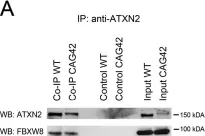
In PLoS One on 20 March 2015 by Halbach, M. V., Stehning, T., et al.
Fig.2.A
-
WB
-
Mus musculus (House mouse)
Collected and cropped from PLoS ONE by CiteAb, provided under a CC-BY license
Image 1 of 10
In PLoS One on 20 March 2015 by Halbach, M. V., Stehning, T., et al.
Fig.1.H
-
WB
-
Homo sapiens (Human)
Collected and cropped from PLoS ONE by CiteAb, provided under a CC-BY license
Image 1 of 10
In PLoS One on 20 March 2015 by Halbach, M. V., Stehning, T., et al.
Fig.1.G
-
WB
-
Homo sapiens (Human)
Collected and cropped from PLoS ONE by CiteAb, provided under a CC-BY license
Image 1 of 10