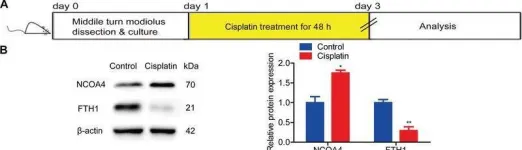
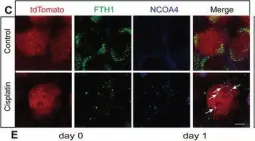
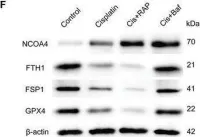
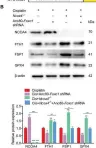
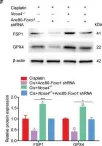
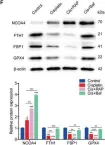
Mammalian cochlea spiral ganglion neurons (SGNs) are crucial for sound transmission, they can be damaged by chemotherapy drug cisplatin and lead to irreversible sensorineural hearing loss (SNHL), while such damage can also render cochlear implants ineffective. However, the mechanisms underlying cisplatin-induced SGNs damage and subsequent SNHL are still under debate and there is no currently effective clinical treatment. Here, this study demonstrates that ferroptosis is triggered in SGNs following exposure to cisplatin. Inhibiting ferroptosis protects against cisplatin-induced SGNs damage and hearing loss, while inducing ferroptosis intensifies these effects. Furthermore, cisplatin prompts nuclear receptor coactivator 4 (NCOA4)-mediated ferritinophagy in SGNs, while knocking down NCOA4 mitigates cisplatin-induced ferroptosis and hearing loss. Notably, the upstream regulator of NCOA4 is identified and transcription factor forkhead box O1 (FOXO1) is shown to directly suppress NCOA4 expression in SGNs. The knocking down of FOXO1 amplifies NCOA4-mediated ferritinophagy, increases ferroptosis and lipid peroxidation, while disrupting the interaction between FOXO1 and NCOA4 in NCOA4 knock out mice prevents the cisplatin-induced SGN ferroptosis and hearing loss. Collectively, this study highlights the critical role of the FOXO1-NCOA4 axis in regulating ferritinophagy and ferroptosis in cisplatin-induced SGNs damage, offering promising therapeutic targets for SNHL mitigation.
© 2024 The Author(s). Advanced Science published by Wiley‐VCH GmbH.
Product Citations: 3

Applications
Reactivity
Research Area
In Advanced Science (Weinheim, Baden-Wurttemberg, Germany) on 1 October 2024 by Wang, X., Xu, L., et al.
-
WB
-
ICC-IF
-
Mus musculus (House mouse)
-
Neuroscience
Ferroptosis inhibitor improves outcome after early and delayed treatment in mild spinal cord injury.
In Acta Neuropathologica on 22 June 2024 by Ryan, F., Blex, C., et al.
We show that redox active iron can induce a regulated form of non-apoptotic cell death and tissue damage called ferroptosis that can contribute to secondary damage and functional loss in the acute and chronic periods after spinal cord injury (SCI) in young, adult, female mice. Phagocytosis of red blood cells at sites of hemorrhage is the main source of iron derived from hemoglobin after SCI. Expression of hemeoxygenase-1 that induces release of iron from heme, is increased in spinal cord macrophages 7 days after injury. While iron is stored safely in ferritin in the injured spinal cord, it can, however, be released by NCOA4-mediated shuttling of ferritin to autophagosomes for degradation (ferritinophagy). This leads to the release of redox active iron that can cause free radical damage. Expression of NCOA4 is increased after SCI, mainly in macrophages. Increase in the ratio of redox active ferrous (Fe2+) to ferric iron (Fe3+) is also detected after SCI by capillary electrophoresis inductively coupled mass spectrometry. These changes are accompanied by other hallmarks of ferroptosis, i.e., deficiency in various elements of the antioxidant glutathione (GSH) pathway. We also detect increases in enzymes that repair membrane lipids (ACSL4 and LPCAT3) and thus promote on-going ferroptosis. These changes are associated with increased levels of 4-hydroxynonenal (4-HNE), a toxic lipid peroxidation product. Mice with mild SCI (30 kdyne force) treated with the ferroptosis inhibitor (UAMC-3203-HCL) either early or delayed times after injury showed improvement in locomotor recovery and secondary damage. Cerebrospinal fluid and serum samples from human SCI cases show evidence of increased iron storage (ferritin), and other iron related molecules, and reduction in GSH. Collectively, these data suggest that ferroptosis contributes to secondary damage after SCI and highlights the possible use of ferroptosis inhibitors to treat SCI.
© 2024. The Author(s).
-
WB
-
Mus musculus (House mouse)
-
Neuroscience
In FEBS Letters on 17 September 2009 by Poola, I., Abraham, J., et al.
In the current study we tested if highest incidence of benign as well as cancer growths in breast tissue is due to constitutive molecular composition of this tissue. To delineate the molecular basis, we compared the expression of nine functional gene modules (total 578 genes) that regulate major positive growth and negative inhibitory signals in normal breast with two other reproductive tissues, ovary and uterus. We present data to demonstrate that breast tissues constitutively have very highly elevated levels of several growth promoting molecules and diminished levels of inhibitory molecules which may, in part, contribute for highest incidence of tumor growths in this tissue.
-
IHC-P
-
Homo sapiens (Human)
-
Cancer Research
In Adv Sci (Weinh) on 1 October 2024 by Wang, X., Xu, L., et al.
Fig.4.A
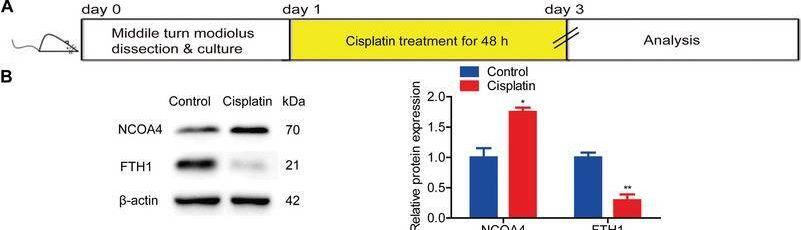
-
WB
-
Mus musculus (House mouse)
Collected and cropped from Advanced Science (Weinheim, Baden-Wurttemberg, Germany) by CiteAb, provided under a CC-BY license
Image 1 of 6
In Adv Sci (Weinh) on 1 October 2024 by Wang, X., Xu, L., et al.
Fig.4.C
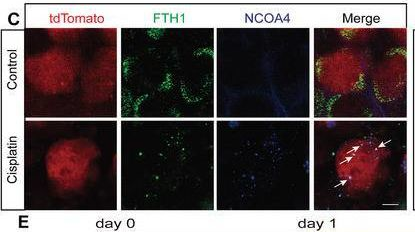
-
ICC-IF
-
Collected and cropped from Advanced Science (Weinheim, Baden-Wurttemberg, Germany) by CiteAb, provided under a CC-BY license
Image 1 of 6
In Adv Sci (Weinh) on 1 October 2024 by Wang, X., Xu, L., et al.
Fig.4.L
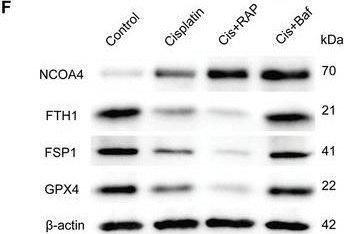
-
WB
-
Collected and cropped from Advanced Science (Weinheim, Baden-Wurttemberg, Germany) by CiteAb, provided under a CC-BY license
Image 1 of 6
In Adv Sci (Weinh) on 1 October 2024 by Wang, X., Xu, L., et al.
Fig.8.B
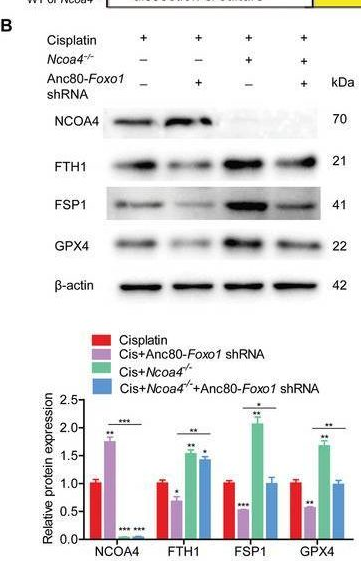
-
WB
-
Collected and cropped from Advanced Science (Weinheim, Baden-Wurttemberg, Germany) by CiteAb, provided under a CC-BY license
Image 1 of 6
In Adv Sci (Weinh) on 1 October 2024 by Wang, X., Xu, L., et al.
Fig.9.F
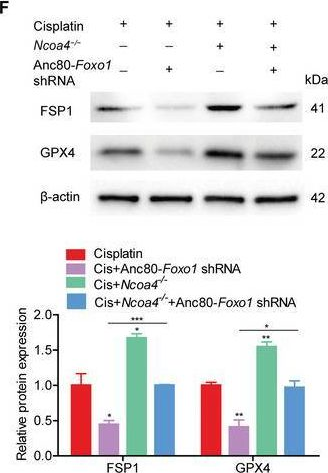
-
WB
-
Collected and cropped from Advanced Science (Weinheim, Baden-Wurttemberg, Germany) by CiteAb, provided under a CC-BY license
Image 1 of 6
In Adv Sci (Weinh) on 1 October 2024 by Wang, X., Xu, L., et al.
Fig.4.F
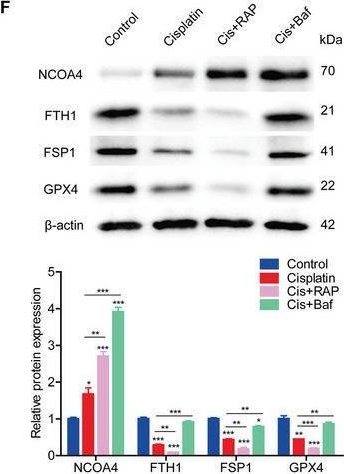
-
WB
-
Collected and cropped from Advanced Science (Weinheim, Baden-Wurttemberg, Germany) by CiteAb, provided under a CC-BY license
Image 1 of 6